

    My stack

    OpenAPI reviews

    API description standard for docs, contracts, SDKs, and tests.

    Visit website
    ToolTrim verdict4.4/ 5Excellent

    OpenAPI is essential for any modern, professional API; for minimal internal APIs, it may be overkill.

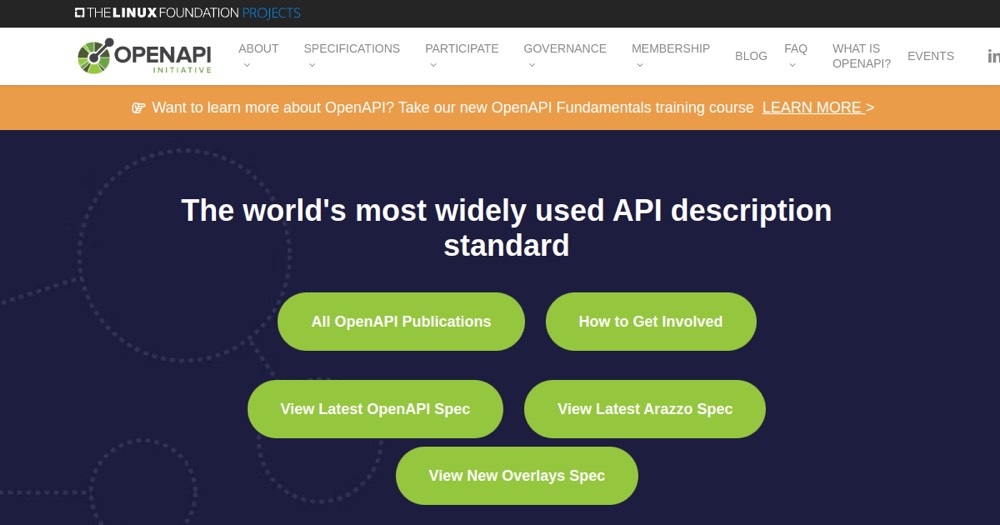
    OpenAPI, preview 1
    About

    In practice. What you can do with OpenAPI.

    API description standard for docs, contracts, SDKs, and tests.

    Practical uses

    • Document a public API (SaaS, platform).
    • Auto-generate an SDK client.
    • Validate API conformance to a standard.
    • Create a mock server for frontend development.
    • Share an API spec between teams.

    Features & use cases

    Nocode web

    Pros and cons. What OpenAPI does well, and what to expect.

    Pros

    • Open, vendor-agnostic standard (no lock-in).
    • Completely free with a rich open-source tool ecosystem.
    • Auto-generated documentation and client code.
    • Recognized industry-wide across the web.
    • Facilitates collaboration between teams and companies.
    • Native support for versioning and compatibility.

    Cons

    • Learning curve for the format (JSON/YAML).
    • Can be verbose for very simple APIs.
    • Requires regular maintenance to stay synced.
    • Variable quality and support of third-party tools.

    When it makes sense. Keep OpenAPI, or challenge it?

    Keep if

    • You document or design REST APIs.
    • You need a common interface between teams (front/back).

    Challenge if

    • Your API is very simple or internal without external sharing.
    • You prefer manual or informal documentation.

    Our verdict. What to know about OpenAPI.

    Why this verdict

    Excellent

    OpenAPI is hard to replace short-term, a free tier to test before paying, clearly documented use cases.

    OpenAPIFree
    Visit